
Meridian Temple City ConcreteMeridian Temple City Concrete(323) 471-6288

Concrete Contractor in San Marino, CA - Driveways, Patios and Walks Laid Out Right

Meridian Temple City Concrete is a concrete contractor based in Temple City that builds and replaces driveways, patios, walks, steps and slabs for homeowners in San Marino, CA, with our own small crew and the owner running every pour.

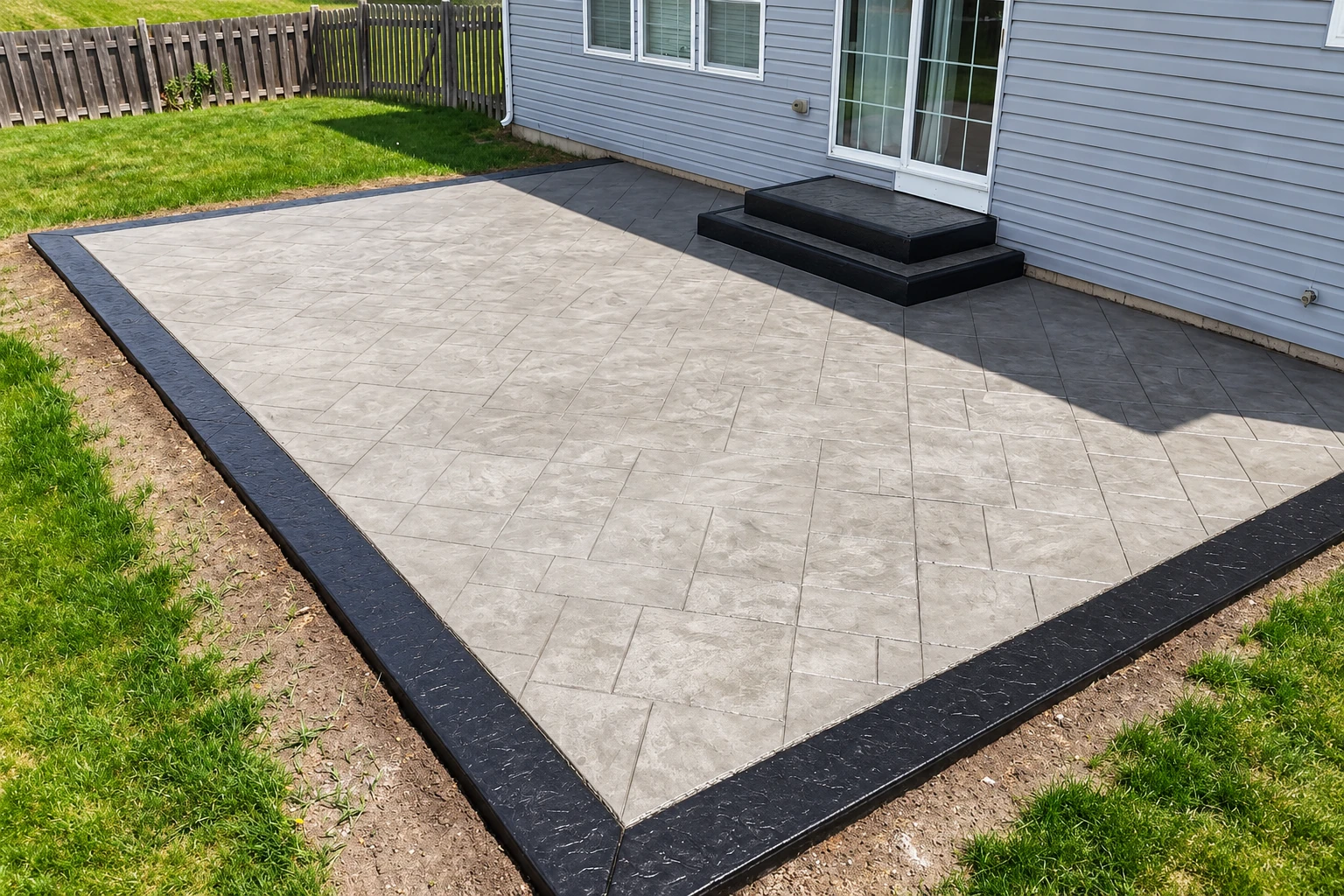
Stamped concrete patio with a light stone-like pattern and dark border beside a gray house and lawn.

San Marino homes and the concrete around them

San Marino is a residential city a short drive from our base in Temple City. It's mostly single-family homes, many of them older, on yards with mature trees and planting that's been growing for decades. The concrete around those houses usually has some age on it too, from long driveways to front walks, back patios and steps poured at different times by different crews.

We plan work here the same way we do in Pasadena. On these established lots, though, the planning usually starts with what's under the old slab and what's grown up around it, because that decides how much comes out and how the new concrete goes back in.

Concrete work we do on San Marino properties

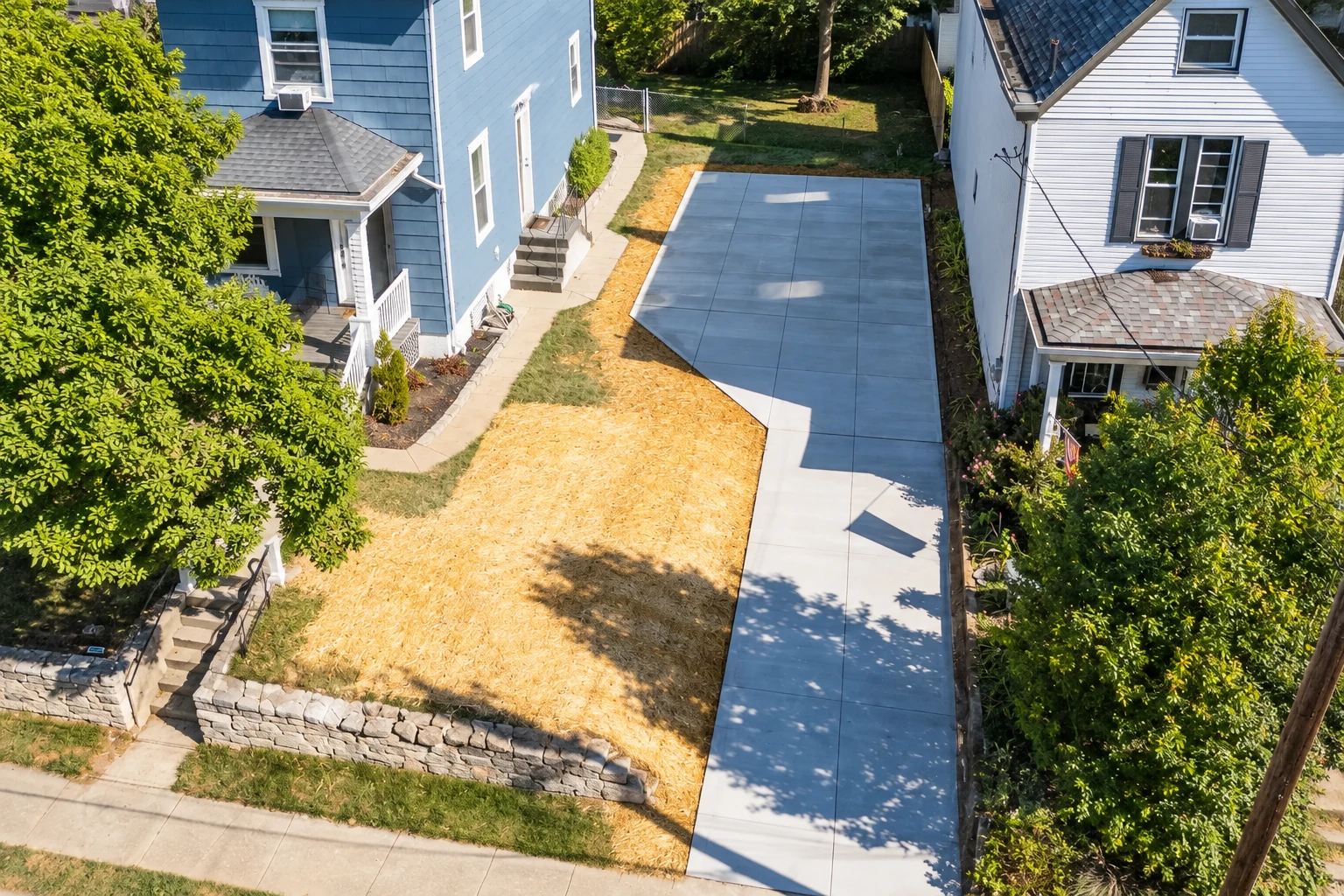
Our crew handles concrete work across San Marino, from driveways, patios and front walks to steps, garage floors, footings, retaining walls and foundations. Every job starts the same way. We look at how the ground sits and where the water runs, then work out the base and the grades before we talk about finishes, because that's what decides whether a slab stays put. Bigger work like slab foundations and foundation raising follows an engineer's plans, and we say so up front when a question belongs to one.

  • Concrete driveway building

    Older driveways here often crack and settle because they sit on a thin base. We tear out, dig to firm ground, pack a new base and pour with the joints planned.

    Explore service
  • Concrete patio construction

    Backyard patios behind older homes often tip toward the house and hold water after the sprinklers run. We set the slope away from your walls first, then pour and finish the slab.

    Explore service
  • Stamped concrete services

    Stamped concrete suits a patio or walk meant to match a traditional house. We press the pattern and color into the fresh slab, after the same base work plain concrete gets.

    Explore service
  • Concrete sidewalk building

    Front walks under mature trees get lifted by roots until the edges catch a toe. We remove the lifted panels, reset the base and repour them flush with what stays.

    Explore service
  • Garage floor concrete

    Older detached garages often have floors that are cracked, stained or sunk at the door. We break out the old floor, rebuild the base and pour a new slab sloped toward the opening.

    Explore service
  • Decorative concrete

    Some homes here call for concrete that reads as part of the landscape rather than a gray slab. We offer colored, exposed and textured finishes, and talk through how each wears before you pick.

    Explore service
  • Concrete retaining walls

    Where a yard steps, an old wall can lean as wet soil pushes behind it. We build walls with drainage behind them, and taller ones get an engineer's design first.

    Explore service
  • Concrete floor installation

    Workshops, studios and converted outbuildings on older properties often need a new floor slab. We prepare the subgrade, the ground the slab sits on, and pour a floor flat enough for what goes on it.

    Explore service
  • Concrete pool decks

    Decks around older backyard pools tend to crack, lift at the edge and get slick. We replace them with a textured finish for footing and slope the deck so water runs off.

    Explore service
  • Concrete steps construction

    Front steps on older homes often have uneven heights or have pulled away from the porch. We form new steps with even rises, anchored to what they meet, so the walk up feels steady.

    Explore service
  • Slab foundation building

    Additions, guest houses and garages on larger lots usually start with a slab foundation. We build it to the approved plans, with layout and grades checked twice before the pour.

    Explore service
  • Foundation installation

    When a building on a sloped or stepped lot needs more than a slab, it needs a foundation designed for it. We dig, set the steel and pour it to the engineer's plans.

    Explore service
  • Concrete parking lot building

    Small properties with shared parking, from offices to multi-car courts, wear out where cars turn and water sits. We rebuild on a heavier base, with joints and drainage laid out for the traffic.

    Explore service
  • Concrete footings

    Garden walls, pergolas and posts in mature gardens need footings, the buried concrete that carries their weight, sized so they don't lean. We dig to the depth the plans call for and pour clean.

    Explore service
  • Foundation raising

    On older homes, a sticking door or a sloping floor can mean part of the foundation has settled. We look first and bring in an engineer when the cause needs one, before lifting starts.

    Explore service
  • Concrete cutting

    On older properties, adding a drain line, a doorway or a new walk often means opening up old concrete cleanly. We saw-cut straight lines so what stays keeps a clean edge to pour against.

    Explore service

Working in San Marino: permits, licenses and planning

A few things get settled before we pour in San Marino, the same as on our jobs in San Gabriel. Here's whose call the permit is, what you can check about any contractor, and what moves price and schedule.

Who settles the permit question in San Marino

In San Marino, the Building Official is the Community Development Director or someone the director assigns, and whether your driveway, patio or wall needs a permit is that office's call. I don't guess at it. We help you find the right office for your address, help put together what it asks for, and ask before we set a start date, so your start follows their answer.

There are two things worth checking on any contractor, us included. Ask for the state contractor license number, which the law expects on ads for licensed work, and ask whether they hold a current San Marino business license, which lasts one year and is the contractor's job to renew before working in the city. The city's Business License Department answers questions at (626) 300-0700.

  • That office decides whether your concrete job needs a permit.
  • We help gather what it asks for and wait for its answer.
  • A licensed contractor's ads should show the state license number.

What moves the price and the schedule

The price mostly comes down to how much old concrete comes out, how deep we dig for a solid base, how close the truck can get, and the finish you pick. A broom finish, the light texture that gives shoes and tires grip, costs less than stamped or colored work. Rebar, the steel that keeps a cracked slab from pulling apart, adds to the price where a slab needs it.

The schedule turns on the city's answer about a permit, when the truck can come and the weather on pour day. We pour early rather than in midday heat, because a top that dries too fast turns weak and dusty later. After that comes curing, the wait while the concrete gains strength, and you stay off it until it's ready.

  • Tearout, base depth, truck access and finish move the price most.
  • The permit answer and truck timing usually set the start date.
  • Your estimate spells out what the price includes before work starts.

Get a free on-site concrete estimate in San Marino

Call (323) 471-6288 or send the form, and we'll reply within one business day by phone or email. I come out to your San Marino property myself, measure, take photos and write up what the price includes. The estimate is free, with no obligation.

(323) 471-6288

What we run into on San Marino properties

Most of what decides a concrete job here is already in the ground before we arrive. These are the conditions we look for at the estimate, and what each one means for the new work.

  • Old slabs on thin bases

    Older concrete was often poured on dirt that was raked level, not dug out and packed, which is usually why a driveway sinks at one corner. We dig to firm ground and pack a new base, because a new slab on the old mistake settles the same way.

  • Roots under walks and drives

    Mature trees are part of why people like these streets, and their roots are often what lifts a walk or cracks a driveway edge. We look at where the roots run before we plan the new slab, and when a tree's health is in question, that's an arborist's call, not ours.

  • Water running toward the house

    Older patios and drives have often settled until they fall back toward the house, so water pools against the wall instead of running off. Before we form anything, we check where the water goes on your lot and set the new slab to carry it away.

  • Front steps that don't match

    On older houses, the front walk and steps were often poured at different times, so heights drift and gaps open where they meet. We plan the walk and steps together, with even rises and a clean tie to the porch, because one odd step is what catches people.

  • Long drives and tight access

    Driveways on larger lots can run a long way from the street, and gates, walls and planting often stand between the truck and the pour. We plan at the estimate whether the concrete comes in by chute, wheelbarrow or pump, because access changes the crew and the price.

How we work on a San Marino concrete job

We're a small Temple City company, in business since 2017, and we work the same way on every job. Here's what that looks like, starting with the part of the job you won't see once it's poured.

Base and grades first, finish second

I learned this trade watching finishers check everything twice before the truck showed up, and that's still how I run it. The base and the grades get set and checked before any concrete arrives, because once it's poured, a slab that sits on soft ground or falls toward your house usually has to be torn out. There's no fixing it from the top.

When a budget gets tight, the base is the first thing people want to cut, because nobody sees it on day one. I'd rather you pick a plainer finish than a thinner base, since a broom finish on solid ground usually outlasts stamped work on soft dirt. It's the one place I'll push back on a budget, and I'll tell you why at the estimate.

  • I come to every estimate

    I come out to every estimate myself, so the person who looks at your slopes and access is the same one who runs the pour. Nothing gets lost between a salesperson and the crew, because there isn't a salesperson.

  • Our own crew, my pours

    The work is done by our own small crew, not whoever's free that week, and I run the pours. That matters most in the hours after the truck arrives, when the finishing has to happen at the right moment and can't wait on anyone.

  • Straight talk about cracks

    A few fine cracks in new concrete are normal, and I'd rather tell you that now than have you find them later. We cut control joints, planned grooves that give the slab a straight place to crack, and cut them on time so cracks tend to stay tight and follow the lines.

  • Licensed, insured and based nearby

    We're fully licensed and insured, and based in Temple City, a short drive from San Marino, so an early start on pour day is easy. Your satisfaction, guaranteed. Call (323) 471-6288 or send the form to set up your estimate.

San Marino concrete questions we hear at estimates

These are the questions San Marino homeowners tend to ask about licenses, cost and timing. If yours isn't here, ask it at the estimate and I'll give you a straight answer or tell you who can.

How do I know if I need a licensed contractor for concrete work in San Marino?

Under the state contractors board's rules, you need a licensed contractor when the project needs a building permit, uses employee labor, or its contracts add up to $1,000 or more. A job can go without a license only if it needs no permit, uses no employees and costs less than $1,000 in all, and a bigger job can't be split into smaller contracts to get under that line.

Can I pour my own patio in San Marino without a contractor's license?

Yes, if it's your principal residence, you've lived there for the 12 months before the work is finished, and the work is done before any sale. The state licensing board's owner-builder rules also limit the exemption to two structures in any three-year period. If you'd rather hand off the digging, base and pour, call (323) 471-6288.

How much does a new concrete driveway cost in San Marino?

Your price comes from a written estimate after I've seen the driveway, because size, tearout, base depth, truck access and finish all move it. On older San Marino lots, the part that swings most is usually what's under the old slab, and I'll tell you at the estimate what could change once it's opened up.

How long does it take before I can drive on a new concrete driveway in San Marino?

You can walk on a new slab well before you can drive on it, and I give you both dates for your job before we pour. That wait is the curing time, and parking on it early is a common way a good driveway gets marked or cracked.

Service areas

Besides San Marino, we work in Temple City, where we're based, and across the cities around it, including the ones listed here. If your city isn't on the list, call (323) 471-6288 and ask.

Ask about your location
(323) 471-6288Get an estimate