
Meridian Temple City ConcreteMeridian Temple City Concrete(323) 471-6288

Concrete Contractor in Temple City, CA - Driveways and Patios Laid Out Right

Meridian Temple City Concrete is a concrete contractor based in Temple City, CA. We build driveways, patios, walks, steps and slabs here, and we handle the careful work too, like footings, foundations and concrete cutting.

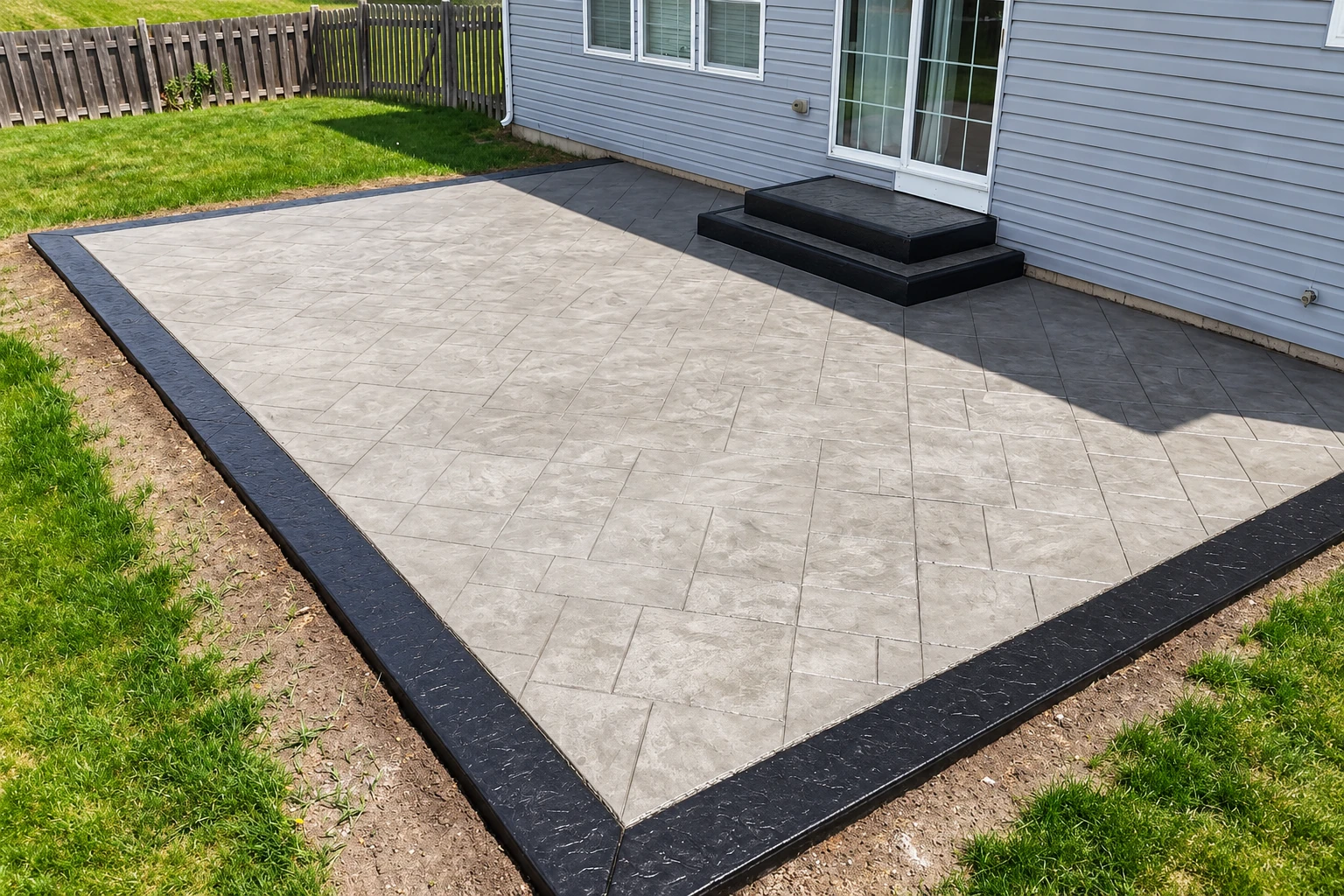
Stamped concrete patio with a light stone-like pattern and dark border beside a gray house and lawn.

Temple City as we see it from the jobs here

We're based in Temple City, and most of our calls here come from homeowners on residential streets. Usually it's a driveway that has cracked and settled, a back patio that holds water or a walk that's lifted at a joint. An earlier city report noted fewer large projects, such as new single-family homes, and a substantial increase in smaller ones like additions and ADUs, the second units built on an existing lot. That matches what we see, with new slabs, footings and walks going in beside houses that people already live in. We do the same work in neighboring Rosemead and Arcadia.

Working beside a finished house shapes the whole job, because every new slab has to tie into what's already there, and the way in is usually through a yard someone cares about.

Concrete work we do on Temple City properties

Most of what we pour here is flatwork, the driveways, patios, walks and garage floors that lie flat on the ground. We also build steps, walls, footings and foundations, and we cut existing concrete when new work has to fit in. Each job starts the same way. I come out and look at the ground, where the water runs and what the new concrete has to meet, and we work out the layout, the grades and the base on site before we order anything.

  • Concrete driveway building

    Older driveways here crack and settle when the base was never packed, and some drain toward the garage. We dig out, pack a new base and set the slope toward the street.

    Explore service
  • Concrete patio construction

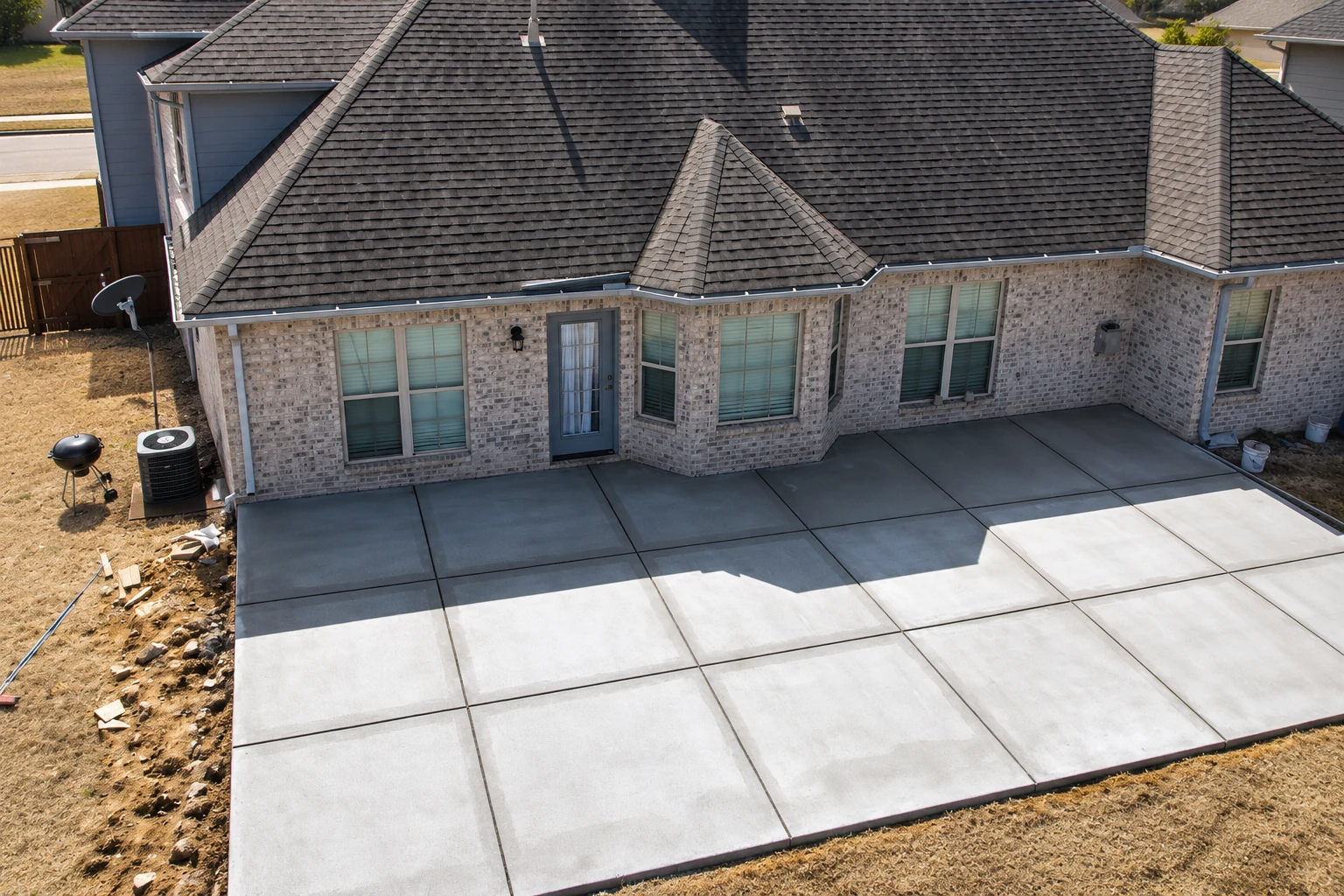
    Back patios on established lots often hold puddles or tip toward the house. We set the grade so water runs away from the walls, then pour and finish the slab.

    Explore service
  • Stamped concrete services

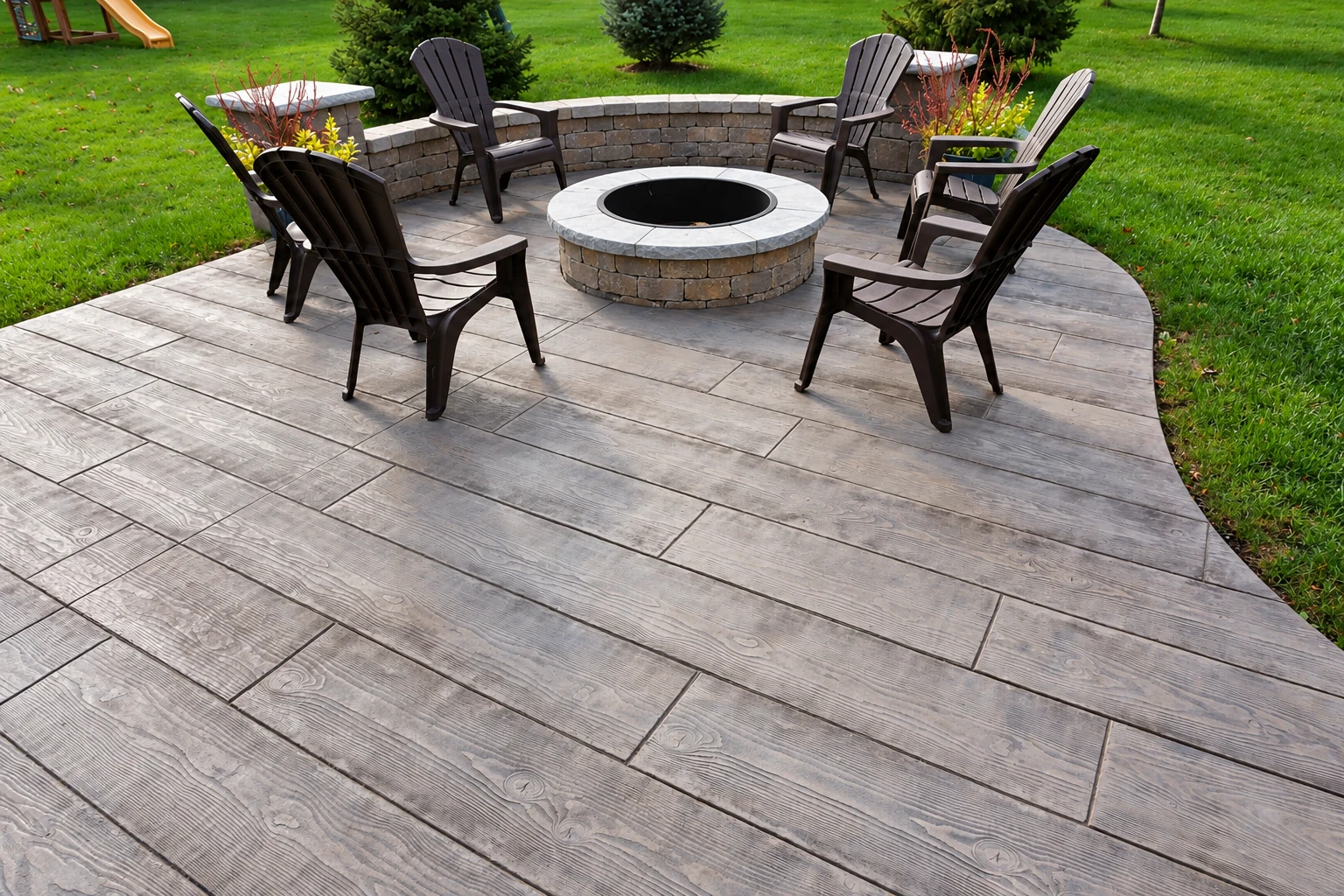
    Homeowners redoing a front yard or patio often want the look of stone without loose pavers. We stamp and color the concrete while it's fresh, then seal the surface.

    Explore service
  • Concrete sidewalk building

    Front and side-yard walks often lift at a joint or crack where a section sank. We replace the bad sections, match the heights where they meet and cut fresh joints.

    Explore service
  • Garage floor concrete

    Garage floors in older houses are often cracked, stained or sloped the wrong way. We break out the old floor, rebuild the base and pour a new slab that sheds water toward the door.

    Explore service
  • Decorative concrete

    Some homeowners want a front entry or patio that suits the house instead of plain gray. We settle color, texture and borders with you before the pour, because they're hard to change once it sets.

    Explore service
  • Concrete retaining walls

    Where one yard sits higher than the next, the soil needs a wall to hold it. We set a footing and drainage behind it, and bring in an engineer when one's needed.

    Explore service
  • Concrete floor installation

    Additions, workshops and converted rooms need an interior floor that's flat and dry. We prepare the base, place a vapor barrier where the plans call for it and finish the slab smooth for flooring.

    Explore service
  • Concrete pool decks

    Pool decks on backyard pools take bare feet, splash water and pool chemicals. We slope the deck so water runs off, not back into the pool, and give it a finish that's less slick.

    Explore service
  • Concrete steps construction

    Front and back steps on older houses often settle away from the porch or have uneven risers. We form new steps with even heights and tie them in where they meet the house.

    Explore service
  • Slab foundation building

    Additions and ADUs on existing lots start with a slab built to the engineer's plans. We set the forms, rebar and grades to those plans before any concrete arrives.

    Explore service
  • Foundation installation

    Room additions and new garages need a foundation built to carry the new walls. We dig the trenches, set the steel and pour to the engineer's drawings, checking depths before the truck comes.

    Explore service
  • Concrete parking lot building

    Small business and apartment parking areas take more weight and traffic than a home driveway. We build a thicker slab on a heavier base and plan where the water goes across the whole lot.

    Explore service
  • Concrete footings

    Patio covers, block walls and small structures need footings, the concrete base they stand on. We dig to the depth the plans call for and set the steel before the pour.

    Explore service
  • Foundation raising

    Older houses sometimes settle unevenly, which shows up as sticking doors or a sloping floor. I look at it first and tell you plainly when it needs an engineer before we lift anything.

    Explore service
  • Concrete cutting

    Adding a doorway, a plumbing line or a wider driveway often means cutting into concrete that's already there. We saw-cut clean, straight lines so the new work meets the old without ragged edges.

    Explore service

Working in Temple City: permits, licenses and what sets the price

Before we set a start date on a Temple City job, a few things get settled with the city and with you. Here's who decides what, and what moves the price and the schedule.

Who signs off on your job here

Temple City Building & Safety issues permits for all types of construction, including encroachment permits for work in the public right-of-way along the street, and whether your job needs one is that office's call. If your job goes to plan review, it needs Planning Division approval first, and a plan check application has to be filed and paid, so the city's review sets part of the calendar.

You can check any contractor yourself before you hire them. Look up their license with the California Contractors State License Board, and ask whether they hold a Temple City business license, because the city's contractor application asks for a state license number. It's worth doing before you sign with anyone, us included.

  • We ask the office about your job before we set a start date.
  • The same office reviews plans and inspects the work at stages.
  • We help you gather what the office asks for at your address.

What sets the price and the schedule

The price mostly comes down to the size and thickness of the slab, how much old concrete we tear out and haul off, and how much work the subgrade, the dirt the slab sits on, needs before we pour. A driveway that carries cars gets a thicker section than a garden walk. Rebar, the steel inside that keeps cracks tight, adds material and labor too.

The schedule turns on the city's review when your job has one, the weather on pour day and curing, the days the concrete needs to gain strength before you load it. I'll tell you at the estimate when you can walk on it and when you can park on it. Your estimate is written and spells out what the price includes, so you can compare bids line by line.

  • A broom finish, the brushed texture for grip, costs less than stamped.
  • On hot days we start pours early, before midday heat weakens the top.
  • Fixing a slab that drains toward the house means regrading, not patching.

Get a free on-site concrete estimate in Temple City

Send the form or call (323) 471-6288, and we'll reply within one business day by phone or email. I come out to your Temple City property myself, measure, take photos and write up what the price includes. The estimate is free, and there's no obligation.

(323) 471-6288

What we run into on Temple City lots

A lot of our work here is on lived-in residential lots where the new concrete has to fit what's already there. These are the conditions that shape the job before we pour anything.

  • Slabs that sank with the dirt

    When an old driveway or patio has sunk and cracked, the cause is usually underneath. Often the base was raked level instead of dug out and packed, so the dirt settled and the slab went with it. That's why the first thing I look at is what's under the old concrete.

  • Patios that drain toward the house

    Some patios and driveways here were poured flat or tipped back toward the house, so rain sits against the wall or runs into the garage. Before we form anything, we check where the water goes now and set the new slab to carry it away from the house.

  • New concrete meeting old heights

    On a built-up lot, the new slab has to meet a garage floor, a door threshold, a walk or the street at the right height. We take those heights before we set forms, because a step or a lip at a seam is hard to fix once it's poured.

  • Back yards through a side gate

    Back patios and slabs behind the house are often reached only through a narrow side yard or a gate. That changes how we get concrete in, by wheelbarrow or by pump, and it's something I look at closely at the estimate.

  • Cracked slabs we won't pour over

    Pouring a thin layer over a cracked driveway looks cheaper, but the old cracks usually come back through the new surface. We break out and haul the old slab so the new one starts on a packed base, not on broken concrete.

How we run a concrete job from estimate to pour

These are the habits behind our work, from the first visit to the day we pull the forms. They're the things I'd want to know before letting a crew into my own yard.

We spend the budget on the base first

The base is the part you never see. On pour day it's covered, and that's why it's the first place a budget gets cut, because a raked-level base looks the same as a dug-out, packed one until the slab starts to settle. I'd rather take money out of the finish than the base, because a plain slab can be stained later, and a bad base means tearing the slab out.

The same goes for layout and grades, which I check before the truck shows up, because a bad pour usually means tearing it out. We cut control joints, the planned grooves that give a slab a place to crack, early, and we protect the slab while it cures. Call (323) 471-6288 or send the form when you're ready, and I'll come take a look.

  • The same person, estimate to pour

    I come out to every estimate myself and I run the pours, so the person who looked at your grades and drainage is the one standing there when the truck arrives. Nothing about your job gets passed along secondhand between a salesperson and a crew.

  • Our own crew does the work

    The work is done by our own small crew, not a crew brought in for the day. They know how I want the base packed, the forms set and the edges finished, because we work the same way on every job.

  • Straight talk about cracks

    A few fine cracks in new concrete are normal, and I'd rather tell you that at the estimate than after the pour. What we work for is keeping them tight, with a packed base, steel where the job calls for it and joints cut on time.

  • Licensed, insured, in business since 2017

    We're fully licensed and insured and have been in business since 2017. I learned the trade as a helper on a small crew, watching the finishers check everything twice, and I'll say so when a question belongs to an engineer or the city. Your satisfaction, guaranteed.

Questions Temple City homeowners ask about concrete work

Most calls start with the same few questions about cost, permits and who to trust. Here are straight answers for Temple City, with the city and state offices named where you'll deal with them.

How much does a concrete driveway or patio cost in Temple City?

Every Temple City job gets its own written price after I've seen it, because size, thickness, tear-out and base work vary too much from yard to yard to quote over the phone. The biggest swings usually come from how much old concrete has to come out and whether you want a stamped or decorative finish over a plain one. Call (323) 471-6288 and I'll come measure.

When does a concrete contractor need a California state license?

Your job needs a contractor licensed by the state licensing board if it needs a building permit, uses employee labor, or if one or more contracts on it add up to $1,000 or more in labor and materials. A bigger project can't be split into smaller contracts under $1,000 to get around that. Ask for the license number and look it up with the board before you sign.

How large a down payment can a contractor ask for in California?

Under the board's home improvement rules, a contractor can't ask for or take a down payment of more than $1,000 or 10 percent of the total contract price, whichever is less. Any other payments have to be listed in the contract and tied to work completed or materials delivered. The board says this applies to all home improvement projects.

How do I book a building inspection in Temple City?

Call the city's inspection request line at (626) 656-7327, and plan on inspections Monday through Thursday. Inspections happen at different stages of construction, so on a job that has them, we plan the pour around the inspection day instead of guessing.

How long does a Temple City building permit stay valid?

An issued permit is good for six months from the day it's issued, and plan check approval is good for one year from when the plans were submitted. The city says both can be extended. You can view your permit and project records and check plan check status on the city's Permit & Project Portal.

Service areas

We're based in Temple City and work across the cities around it, including the ones listed here. If your city isn't on the list, call (323) 471-6288 or send the form and ask.

Ask about your location
(323) 471-6288Get an estimate